The chances of a rare and potentially powerful “super El Niño” developing later in 2026 have increased, according to updated forecasts from the U.S. National Weather Service and climate agencies. Forecasts now show about an 82% chance of El Niño developing by summer 2026, with roughly a 25% chance it could strengthen into a very strong or “super” El Niño by late 2026 into early 2027.
A super El Niño occurs when Pacific Ocean temperatures rise far above normal, disrupting global weather patterns. Scientists warn it could contribute to:
- More extreme heat worldwide
- Stronger storms and flooding in some regions
- Severe droughts and wildfires in others
- Higher food prices and agricultural disruptions
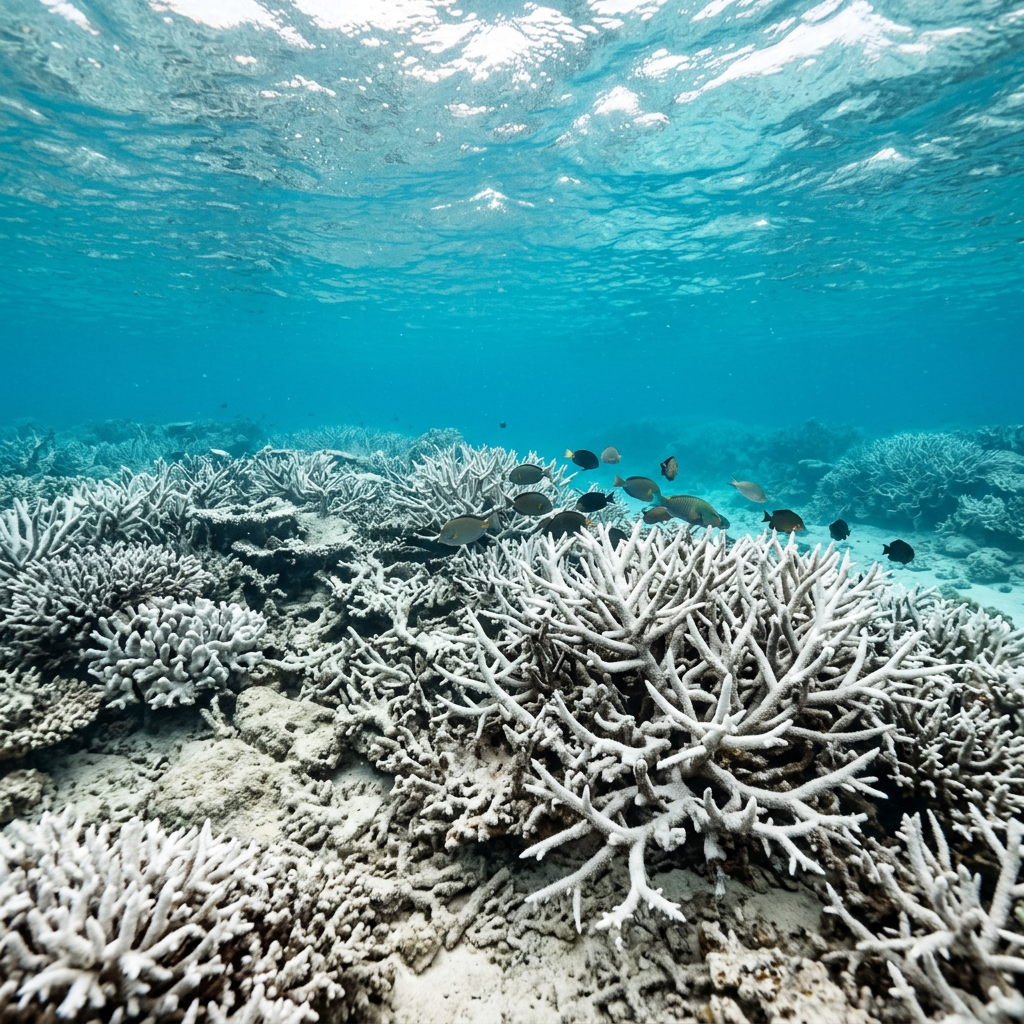
- Coral bleaching and marine ecosystem damage
Climate change may amplify the effects of El Niño because global ocean temperatures are already near record highs. Experts say this combination could make 2026 and especially 2027 among the hottest years ever recorded.
At the same time, scientists emphasize there is still uncertainty. A “super El Niño” is possible but not guaranteed, and modern forecasting systems give governments and researchers far more warning and preparation time than in past historic events.