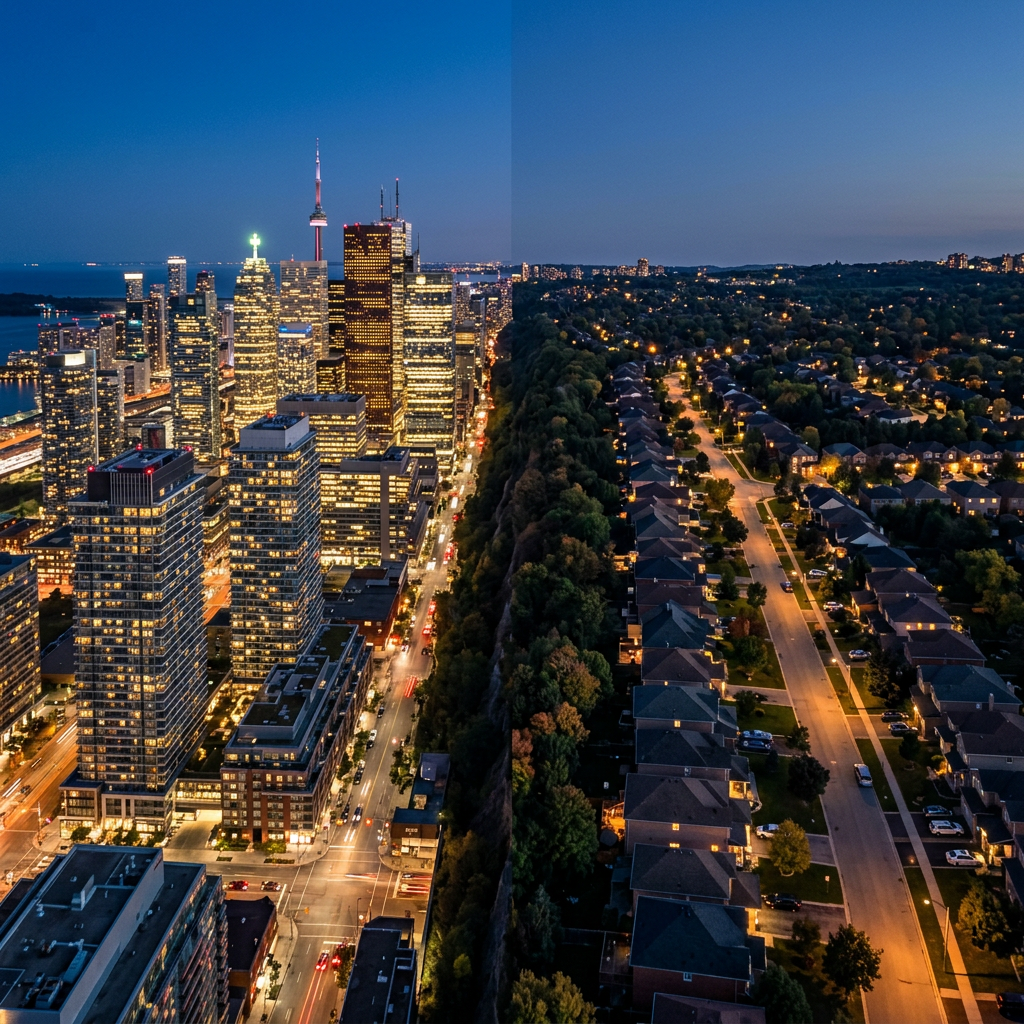
The U.S. housing market is increasingly becoming “K-shaped,” meaning wealthier Americans are continuing to buy homes and sustain the market, while middle- and lower-income buyers are being squeezed out by high prices, mortgage rates, insurance costs, and affordability challenges.
Luxury and high-end housing markets are holding up relatively well because affluent buyers often:
- Pay cash
- Have stronger investment portfolios
- Are less affected by interest rates
Meanwhile, average buyers are struggling with:
- Mortgage rates still near or above 6%
- Record home prices
- Higher property taxes and insurance costs
- Rising debt and inflation pressures
This divide is creating two separate housing markets:
- One where wealthier buyers continue purchasing homes
- Another where affordability has frozen activity for many first-time and middle-class buyers
Analysts note that while some regions — especially parts of the Midwest and Northeast — are still seeing stable or improving demand, many formerly hot Sun Belt markets are cooling rapidly due to overbuilding and affordability issues.
The broader takeaway is that the housing market is no longer moving uniformly across income groups or regions. Instead, economic inequality is increasingly shaping who can still participate in homeownership and who is being left behind.