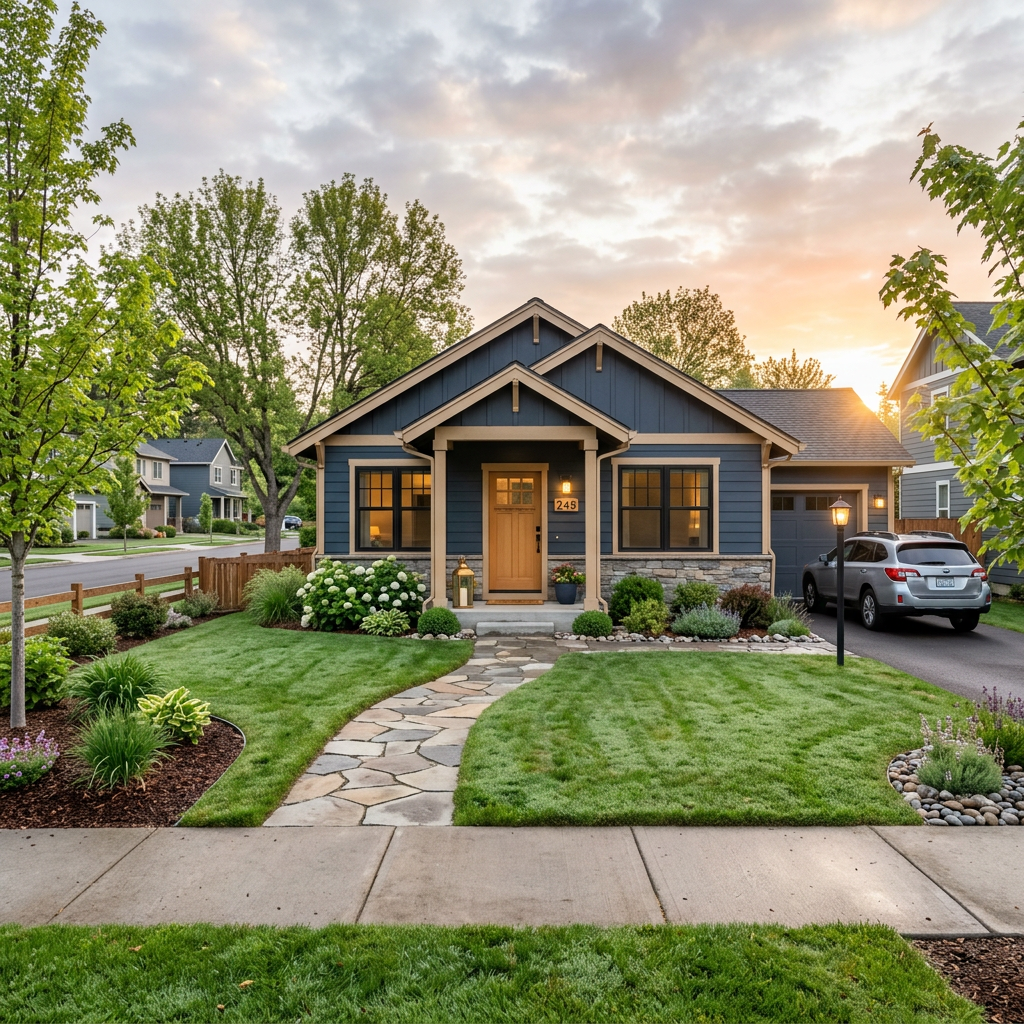
The definition of a “starter home” in America has changed dramatically as affordability pressures continue reshaping the housing market.
Key takeaways:
Starter homes are getting smaller, older, and harder to find
Many first-time buyers are now targeting:
- condos
- townhomes
- fixer-uppers
- or smaller homes farther from major cities.
💰 Affordability remains the biggest issue
High mortgage rates, insurance costs, taxes, and limited inventory continue pricing many buyers out of traditional single-family starter homes. Affordability is improving slightly in some markets, but conditions remain difficult nationally.
📈 The average starter-home price varies dramatically by market
Some Midwest and Southern cities still offer relatively affordable entry-level homes, while many coastal markets have effectively eliminated the traditional starter-home concept altogether.
Among the more affordable starter-home markets highlighted:
- Kansas City
- Louisville
- Cincinnati
- Houston
- Columbus
- Chicago
Meanwhile, in many parts of:
- New York
- California
- New Jersey
- Massachusetts
starter homes now routinely exceed $500k–$1M.
📉 The market is shifting toward “balance”
Inventory is improving in some regions, bidding wars have cooled, and buyers are regaining some negotiating leverage compared to the frenzy of 2021–2022. 2026 is now described more as a “reset year” than a crash.
One major theme:
The traditional idea of a small starter house that buyers quickly “trade up” from is fading. Many younger buyers are now approaching their first home as a long-term property due to:
- higher borrowing costs,
- slower wage growth relative to housing,
- and limited affordable inventory.