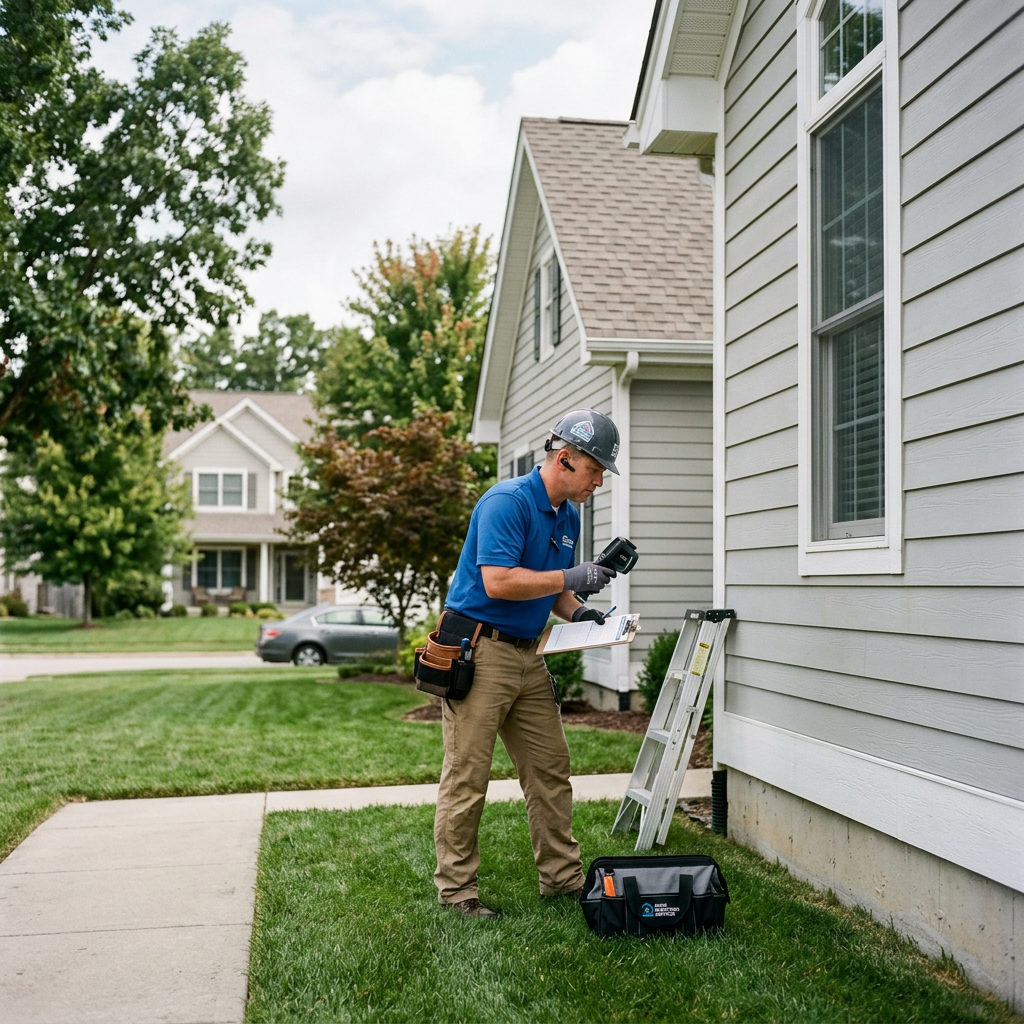
Choosing the right home inspector is one of the most important parts of buying a house because the inspection can uncover expensive problems that aren’t visible during a showing. A strong inspector helps buyers understand the true condition of the property before closing.
Key recommendations:
🏠 Verify licensing and certifications
Buyers should look for inspectors who are licensed and affiliated with organizations such as:
- InterNACHI
- ASHI (American Society of Home Inspectors)
These groups provide training and professional standards.
📋 Ask for a sample inspection report
A quality report should include:
- clear photos
- detailed explanations
- and a distinction between major vs. minor issues
If the report is too vague or overly technical, that’s considered a red flag.
❓ Ask the right questions
The article recommends asking:
- What’s included in the inspection?
- Do you carry insurance?
- What technology do you use?
- How long have you been inspecting homes?
Modern tools like infrared cameras and moisture meters can help detect hidden issues.
💰 Compare pricing carefully
Most inspections cost several hundred dollars, but older or larger homes can cost more. Buyers are encouraged to compare at least 2–3 inspectors and confirm exactly what services are included. Optional add-ons may include:
- radon testing
- sewer inspections
- mold testing
- or termite inspections
👀 Attend the inspection if possible
Experts say buyers should attend the inspection in person because it helps them:
- ask questions live
- better understand future maintenance
- and see issues firsthand instead of only reading a report later.
⚠️ Biggest takeaway:
The cheapest inspector is not always the best choice. A thorough inspection can potentially save buyers thousands of dollars by identifying:
- foundation issues
- roof problems
- electrical hazards
- plumbing defects
- HVAC failures
- or water intrusion before purchase