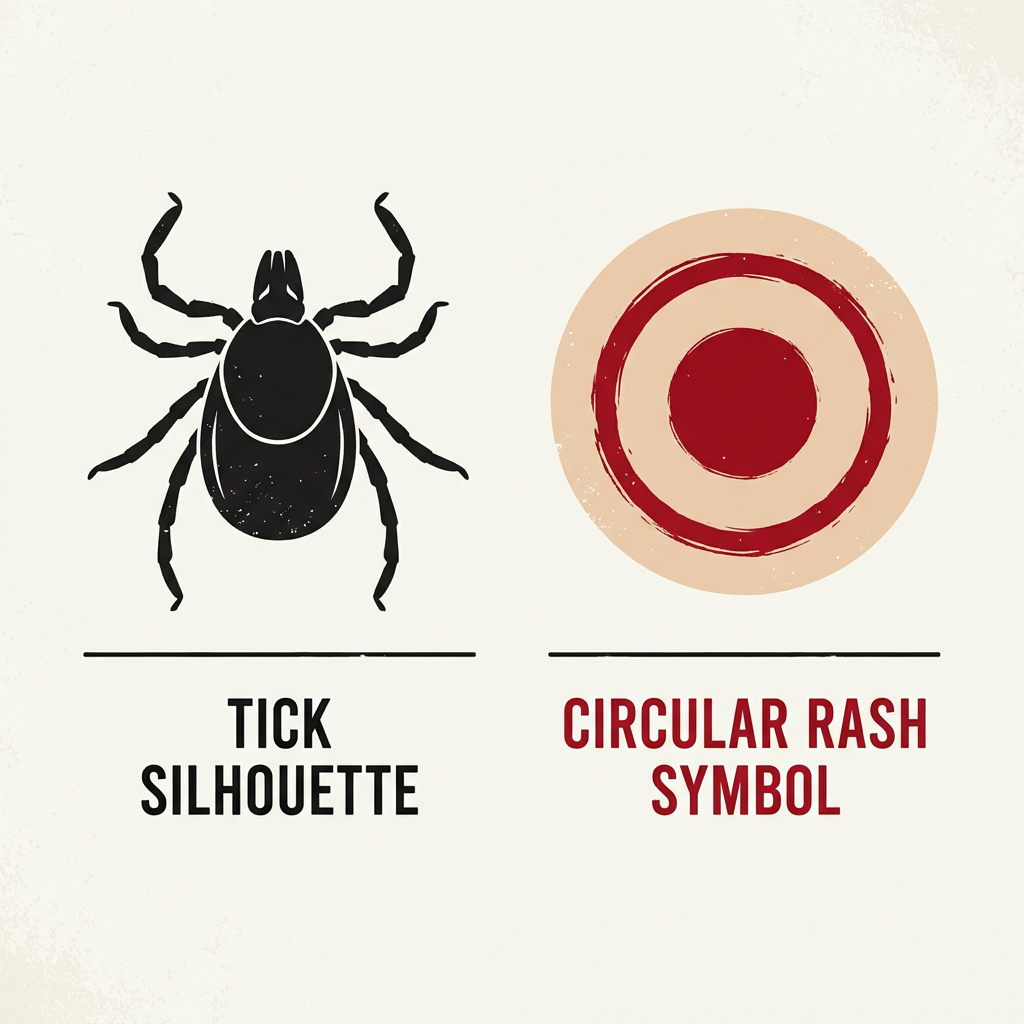
Ticks are active throughout New York City and can carry diseases such as Lyme disease, babesiosis, anaplasmosis, and others. While many NYC residents are exposed while visiting Long Island, upstate New York, and surrounding states, disease-carrying ticks have also been found in NYC parks and green spaces.
Why tick activity is increasing
Warmer temperatures, longer summers, and milder winters are creating favorable conditions for ticks to survive and expand into new areas. Climate change is contributing to longer tick seasons and increasing exposure risks.
Protect Yourself From Tick Bites
✅ Use EPA-approved repellents containing DEET, picaridin, IR3535, or oil of lemon eucalyptus.
✅ Wear long sleeves and long pants when hiking or spending time in wooded or grassy areas.
✅ Stay in the center of trails and avoid brushing against tall grass and shrubs.
✅ Treat clothing and gear with permethrin when appropriate.
✅ Perform a full-body tick check after spending time outdoors.
✅ Check children, pets, backpacks, and clothing.
✅ Shower within two hours of coming indoors.
If You Find a Tick
- Remove it promptly with fine-tipped tweezers.
- Grasp the tick close to the skin and pull straight upward.
- Clean the area afterward with soap and water or alcohol.
Watch for Symptoms
Symptoms of Lyme disease may include:
🔴 Bull’s-eye rash (not always present)
🤒 Fever and chills
😴 Fatigue
🤕 Headaches
💪 Muscle and joint pain
Lyme disease is spread by infected blacklegged (deer) ticks. In most cases, a tick must remain attached for 24–36 hours before transmitting Lyme disease. Early treatment with antibiotics is highly effective.
NYC Tick Facts
- NYC reported 2,832 preliminary Lyme disease cases in 2024.
- Cases have been identified among residents of all five boroughs.
- Ticks have been detected in parks throughout the city, including areas of Staten Island, the Bronx, Brooklyn, Queens, and Manhattan.
Bottom line: If you’re hiking, gardening, walking your dog, or spending time in parks this summer, assume ticks may be present and take precautions before and after outdoor activities.