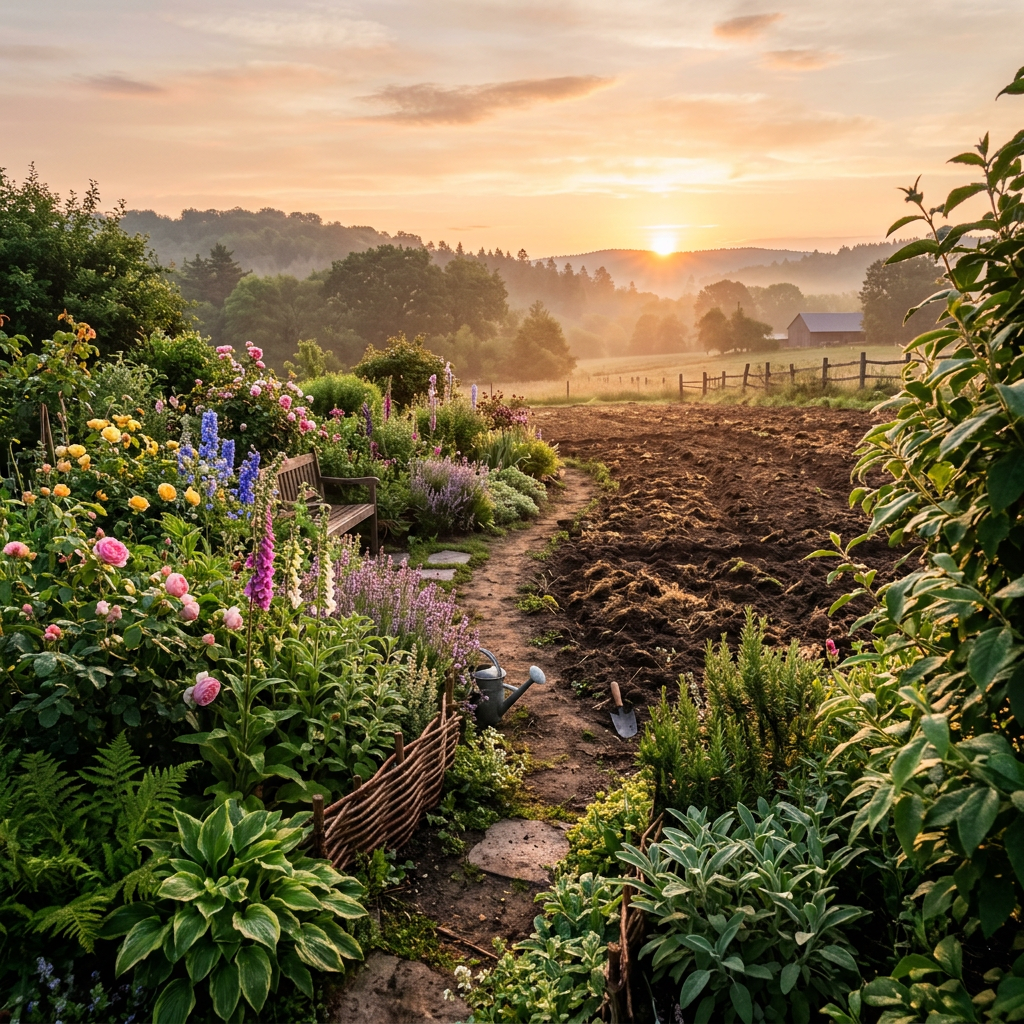
“Do Plants Go to Heaven?” isn’t really about botany. It’s a philosophical and theological exploration of whether non-human life—plants, animals, ecosystems—has a place in concepts of eternity, salvation, and the afterlife.
The common assumption that heaven is exclusively for humans and asks a deeper question: if the natural world is part of creation and has intrinsic value, why would it simply disappear in any vision of a redeemed future?
Some of the key themes include:
- Human-centered religion vs. creation-centered thinking — Many religious traditions focus almost entirely on human souls, while paying little attention to the fate of the rest of creation.
- The value of non-human life — Plants, forests, animals, and ecosystems are portrayed not merely as resources for humans but as entities with their own worth.
- Restoration vs. replacement — It explores whether heaven or a renewed creation would involve restoring the world rather than abandoning it.
- Environmental implications — If nature has lasting significance, it may change how we think about stewardship, conservation, and our relationship with the living world.
The broader takeaway is less about literally determining whether oak trees or roses enter heaven and more about asking whether our spiritual worldview is too narrow. Readers to consider whether redemption, renewal, and meaning extend beyond humanity to encompass all of creation.
This essay raises an interesting parallel: Are we building a future that values nature only for its utility, or do we see it as something worthy of preservation in its own right? The author leans heavily toward the latter view.