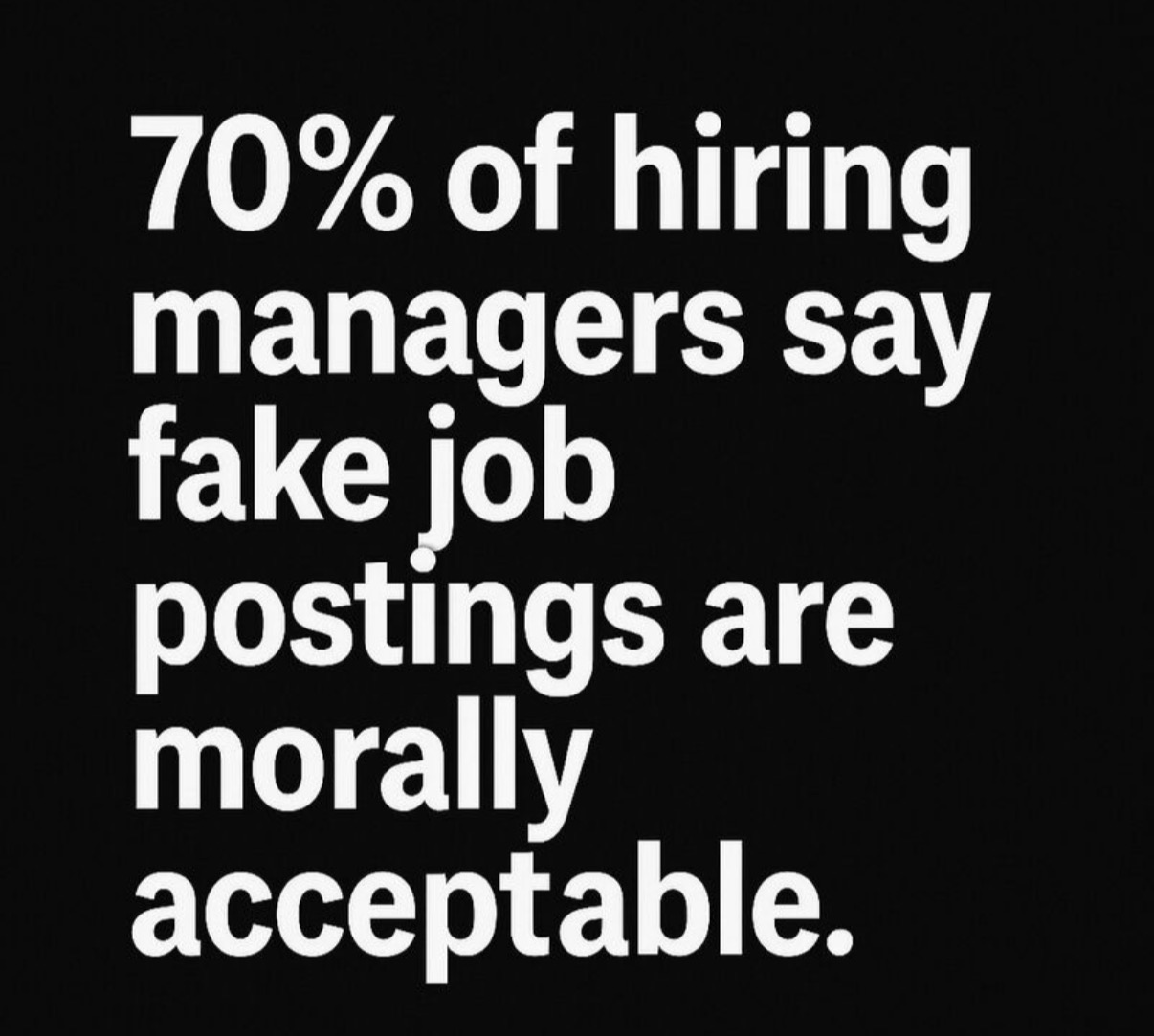
New York lawmakers have passed a bill aimed at cracking down on so-called “ghost jobs”—job postings that appear to be active openings but either don’t exist, aren’t being actively filled, or are simply collecting resumes for future use. The bill, S8877, now awaits Governor Hochul’s signature.
What the bill would require
For employers with 100 or more employees and third-party job boards:
📌 Job postings must disclose whether:
- The position is a current vacancy.
- The employer intends to fill it.
- The expected hiring timeframe.
- The posting is being used to collect resumes for future opportunities rather than fill an immediate opening.
📌 Once a position is filled:
- Employers would be required to remove the posting within two weeks.
Potential penalties
💰 Violations could result in fines of $2,500 per job advertisement per platform, with escalating penalties if non-compliant postings remain active.
Why this matters
Many job seekers have complained about:
- Applying to jobs that never receive responses.
- Seeing the same positions reposted for months.
- Companies advertising openings without a genuine intent to hire.
Supporters argue the practice wastes applicants’ time, distorts labor market data, and creates false impressions about hiring demand.
Impact on employers
If signed into law, large employers and recruiting platforms will likely need to:
- Audit existing job postings.
- Remove stale listings more aggressively.
- Clearly identify “pipeline” or future-opportunity postings.
- Improve recruiting process transparency.
The bigger picture
This is one of the first major state-level efforts in the U.S. to regulate ghost-job postings directly. It reflects growing concern that the online hiring market has become increasingly frustrating for applicants, particularly as AI-powered recruiting tools and automated job posting systems have expanded.
For job seekers, the legislation could make online job boards more trustworthy by ensuring advertised positions are tied to actual hiring plans rather than resume collection or talent-pipeline building.