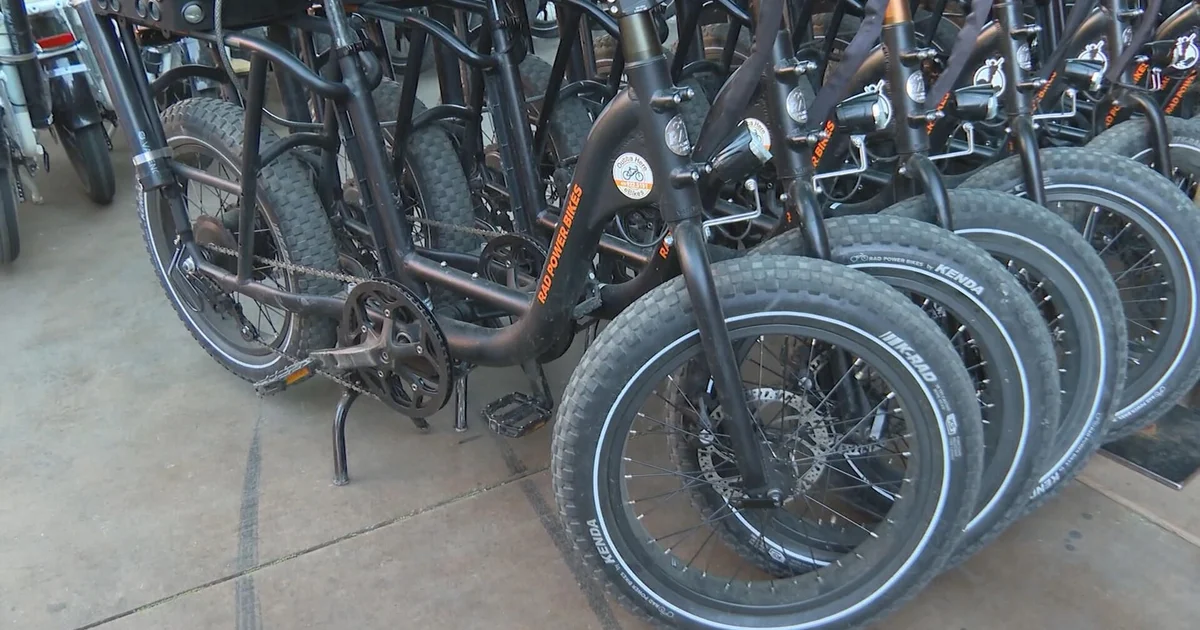
Electric bicycles have become one of the fastest-growing forms of transportation, but emergency physicians are warning of a troubling trend: a sharp increase in severe, high-speed trauma cases.
Unlike traditional bicycles, many e-bikes can reach speeds of 20 to 28 mph, and their added weight means crashes often resemble motorcycle accidents more than bicycle falls.
The groups most at risk
👦 Teenagers
Many parents purchase e-bikes thinking they’re simply bicycles, but they’re often ridden more like motor scooters—frequently without helmets or protective gear.
👴 Older adults
Seniors may underestimate an e-bike’s acceleration, braking distance, and weight, increasing the likelihood of losing control and suffering serious injuries.
What emergency rooms are seeing
According to trauma physicians, common injuries include:
- 🩸 Internal bleeding
- 🧠 Severe concussions and traumatic brain injuries
- 🦴 Complex fractures
- 🚑 Multi-system trauma requiring hospitalization
These injuries are often significantly more severe than those associated with conventional bicycle crashes.
Why crashes are so dangerous
Physics plays a major role.
E-bikes combine:
- Higher speeds
- Greater vehicle weight
- Increased momentum
The result is substantially greater impact forces during a collision.
Safety recommendations
Doctors recommend that riders:
✅ Always wear a properly fitted helmet.
✅ Treat e-bikes as motorized vehicles—not toys.
✅ Learn safe acceleration and braking before riding in traffic.
✅ Follow local laws regarding speed limits, age requirements, and helmet use.
✅ Parents should supervise younger riders and ensure they understand safe riding practices.
The bottom line
E-bikes offer an efficient, environmentally friendly way to travel, but they require the same respect given to any motorized vehicle. As adoption continues to grow, education, protective equipment, and responsible riding will be essential to reducing the number of preventable injuries seen in emergency departments.