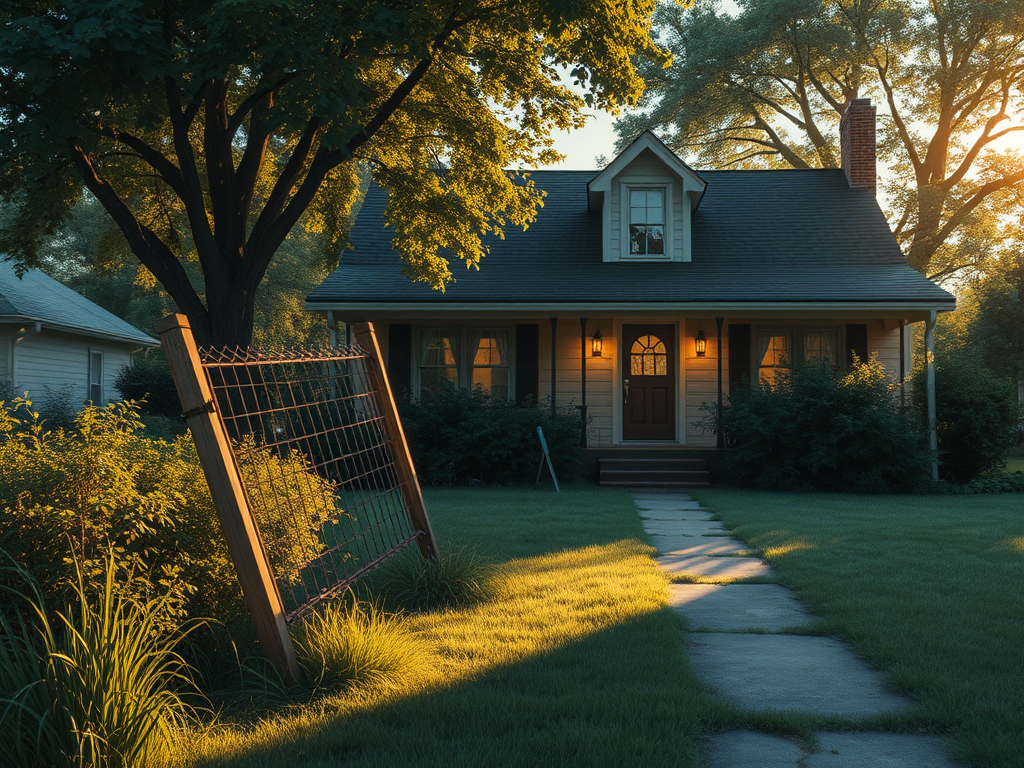
Foreclosures can offer buyers below-market opportunities — but they also come with significantly higher risks than traditional home purchases.
What is a foreclosed home?
A foreclosure happens when a homeowner stops making mortgage payments and the lender repossesses the property to recover losses. These homes are then sold through:
- auctions,
- bank-owned (REO) sales,
- short sales,
- or government programs.
Main advantages
💰 Lower purchase prices
Foreclosures are often priced below comparable homes because banks want to sell quickly and recover losses.
📈 Investment upside
Buyers may be able to:
- renovate,
- increase equity quickly,
- or purchase in neighborhoods that might otherwise be unaffordable.
🏡 Multiple financing options
Foreclosed homes can sometimes be purchased using:
- conventional loans,
- FHA loans,
- VA loans,
- or cash.
However, the property usually must meet minimum livability standards for financed purchases.
Biggest risks
⚠️ “As-is” condition
Most foreclosures are sold exactly as they sit:
- no repairs,
- limited disclosures,
- and often no seller concessions.
Common issues:
- roof problems
- HVAC failure
- plumbing/electrical damage
- mold
- vandalism
- deferred maintenance.
🔍 Hidden costs
Buyers may face:
- liens,
- unpaid taxes,
- code violations,
- legal fees,
- or eviction costs if occupants remain.
🏦 Financing complications
Some distressed homes:
- won’t qualify for traditional financing,
- require cash,
- or need renovation loans.
⏳ Slower process
Banks and lenders often move slowly during:
- negotiations,
- title review,
- and approvals.
Closings can take months depending on the foreclosure stage.
Types of foreclosure purchases
1. Pre-foreclosure
Owner still controls the home before auction.
2. Short sale
Bank agrees to accept less than owed.
3. Auction
Highest risk:
- often cash only,
- no inspection,
- possible occupants still inside.
4. REO (Real Estate Owned)
Bank already owns the property after failed auction.
Usually the safest foreclosure route for regular buyers.
Best advice before buying a foreclosure
✅ Always get a home inspection if possible
✅ Research liens and unpaid taxes
✅ Budget heavily for repairs
✅ Get pre-approved before shopping
✅ Work with an agent experienced in distressed properties
✅ Expect surprises and delays
Biggest takeaway
Foreclosures can absolutely create opportunity — especially for investors, contractors, or buyers comfortable with renovations — but the “cheap price” can become very expensive if buyers underestimate:
or financing limitations.
repair costs,
legal complications,