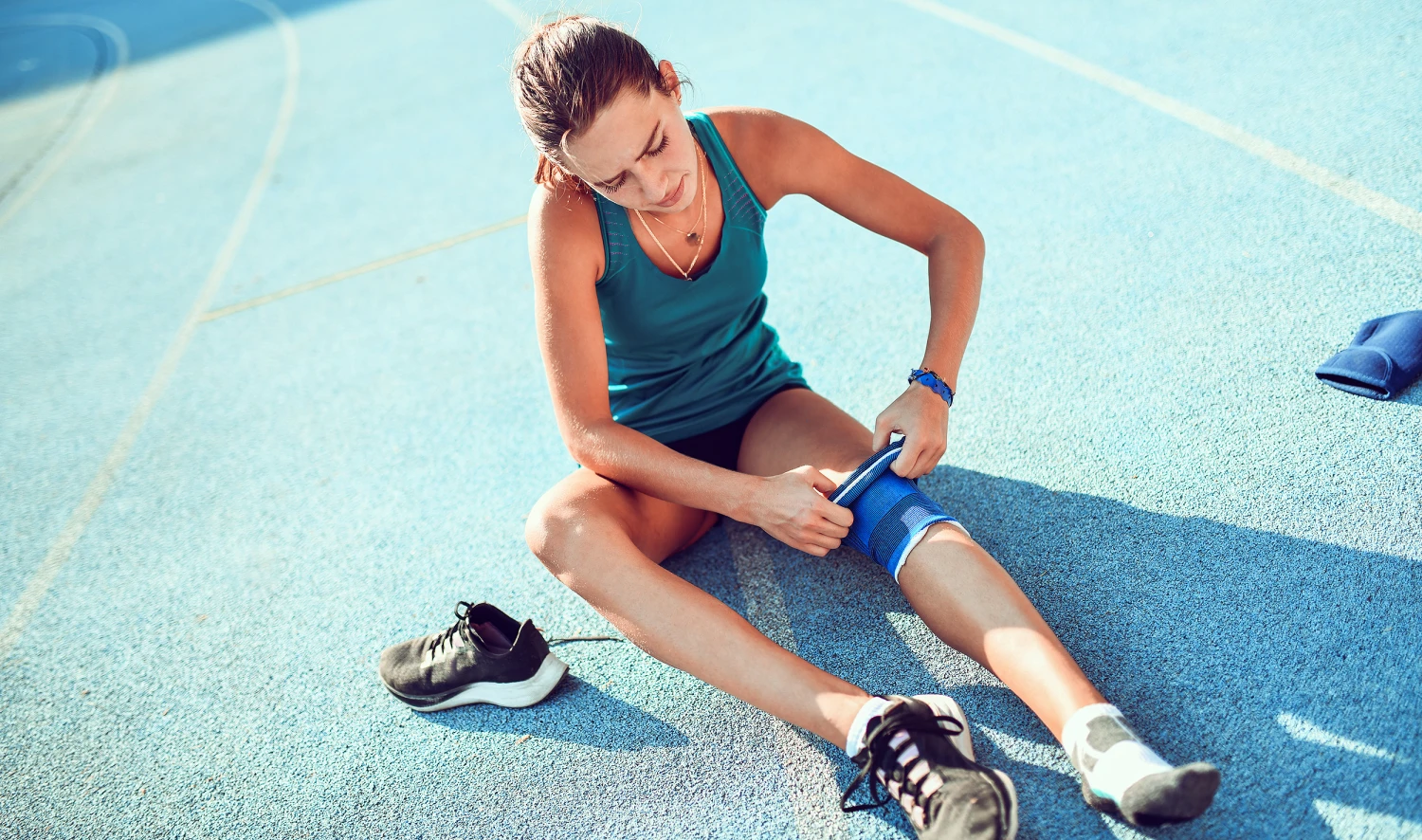
ACL injuries are among the most serious injuries athletes can face, often ending a season and requiring months of rehabilitation. According to Dr. Deanna Brinks, a sports medicine physician with the Mayo Clinic Health System, women are significantly more likely than men to suffer ACL injuries, making prevention and proper treatment especially important.
Why Are Women More Susceptible to ACL Injuries?
Research shows that female athletes are up to eight times more likely to experience ACL injuries than their male counterparts. Several factors may contribute to this increased risk:
- A wider pelvis creates a greater angle between the hip and knee, affecting force distribution.
- Women’s ACLs are typically thinner than men’s.
- Stronger quadriceps relative to hamstrings can reduce knee stability during landing and pivoting movements.
- Hormonal fluctuations, particularly increased levels of relaxin before menstruation, may temporarily loosen ligaments and increase vulnerability to injury.
As participation in competitive sports continues to grow among girls and women, understanding these risk factors becomes increasingly important.
Prevention Is Key
While no athlete can completely eliminate the risk of an ACL injury, targeted training can significantly reduce it.
One of the most widely recognized prevention programs is the FIFA 11+ Warm-up Program, a free, evidence-based routine designed to improve:
- Strength
- Balance
- Coordination
- Proper knee positioning
- Biomechanics
Although originally developed for soccer, the program can be adapted for nearly any sport, including basketball, volleyball, tennis, and pickleball.
Experts recommend dedicating at least 10 minutes, three times per week, to exercises focused on:
- Lower-body strength
- Balance training
- Proper landing mechanics
- Knee alignment
Diagnosing an ACL Injury
Approximately 70% of ACL injuries occur without contact from another player. Common injury mechanisms include:
- Pivoting suddenly
- Cutting movements
- Landing awkwardly from a jump
Symptoms often include:
- A popping sensation
- Immediate pain
- Swelling
- Instability or “giving way” of the knee
Sports medicine physicians typically use MRI imaging to determine whether the injury is:
- A sprain
- A partial tear
- A complete rupture
Treatment Options
Treatment depends on the severity of the injury.
Sprains and Partial Tears
- Knee bracing
- Physical therapy
- Strength and stability training
- Gradual return to activity
Complete ACL Ruptures
- Surgical reconstruction is usually required.
- Surgeons often use graft tissue from the:
- Patellar tendon
- Quadriceps tendon
- Hamstring tendon
Recovery typically requires at least nine months of rehabilitation before an athlete can safely return to competition.
The Mental Side of Recovery
Physical healing is only part of the recovery process. Athletes must also regain confidence in their knee and trust their ability to perform at a high level.
Physical therapists play an important role in helping athletes:
- Rebuild confidence
- Improve movement patterns
- Reduce fear of reinjury
Reinjury Remains a Concern
Even after successful reconstruction, approximately 25% of athletes experience another ACL injury. Younger athletes, particularly those in their teens and early twenties, face the highest risk.
Studies suggest women may have a higher likelihood of injuring the opposite knee after returning to sports, reinforcing the importance of ongoing strength and biomechanics training.
Final Thoughts
ACL injuries remain a significant challenge in women’s sports, but advances in prevention, training, and rehabilitation continue to improve outcomes. Through strength training, proper movement mechanics, and early biomechanical assessments, athletes can reduce their risk and improve long-term knee health.
While injuries cannot be eliminated entirely, preparation and education remain the most effective tools for keeping athletes healthy and on the field.