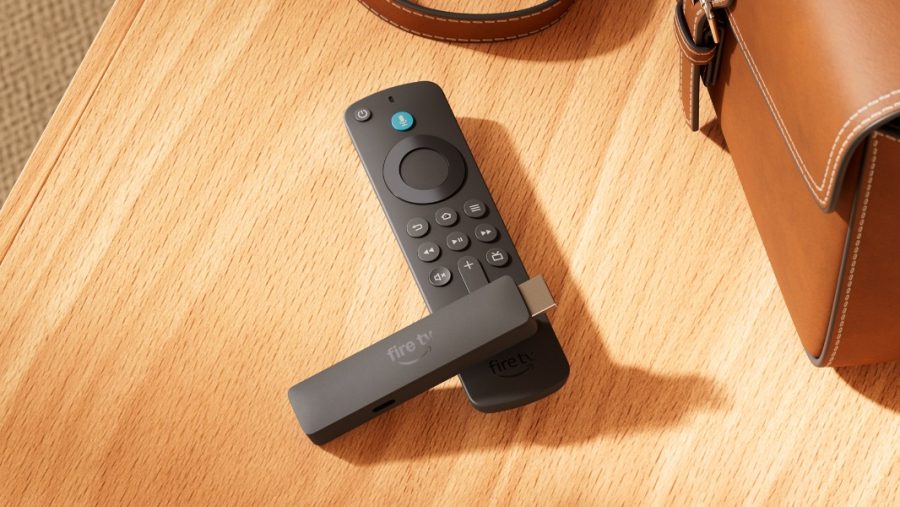
Amazon is making one of the biggest changes in the history of the Fire TV platform.
What’s happening?
Amazon’s newest Fire TV Stick devices no longer run the Android-based Fire OS. Instead, they use a new proprietary operating system called Vega OS.
One of the biggest consequences is that sideloading apps is no longer supported on these new devices. That means users can’t install APKs or other apps outside the Amazon Appstore in the same way they could on previous Fire TV Sticks.
Why Amazon says it’s doing this
Amazon points to two primary reasons:
🔒 Security
- Sideloaded apps can contain malware or unwanted code.
- Restricting installations to the official Appstore reduces security risks.
🏴☠️ Piracy
- Fire TV Sticks became one of the most popular platforms for unauthorized streaming, particularly live sports.
- Media companies and sports leagues have argued that inexpensive Fire Sticks made piracy easier to access.
Is malware really the whole story?
Probably not.
While malware concerns are legitimate, analysts also point to several business motivations:
- Amazon gains tighter control over the user experience.
- It can better enforce advertising and prevent ad-blocking.
- It can stop custom launchers that bypass Amazon’s home screen.
- Developers must distribute apps through Amazon’s Appstore, giving Amazon more control over app distribution and monetization.
What this means for consumers
If you already own an older Fire Stick
- Most existing Android-based Fire TV devices will continue running Fire OS.
- Amazon has said it does not currently plan to migrate existing Fire OS devices to Vega OS.
If you buy a new Vega OS Fire Stick
- ❌ No sideloading of Android apps.
- ❌ No Google Play Store apps.
- ❌ No third-party launchers or many customization tools.
- ✅ Access to major streaming apps such as Netflix, Disney+, Prime Video, YouTube, and Apple TV remains available through Amazon’s Appstore.
Why this matters
This is part of a broader industry trend. Companies are moving from relatively open platforms to more tightly controlled ecosystems:
- Apple has long maintained a closed app ecosystem.
- Roku tightly controls its app platform.
- Amazon is now taking a similar approach with new Fire TV hardware.
For most consumers who simply stream from mainstream services, the change may have little impact. For power users who relied on sideloading for legitimate uses—such as local media players, home automation tools, or custom interfaces—it represents a significant reduction in flexibility.
From Amazon’s perspective, the tradeoff is straightforward: a more secure and controlled platform that also makes piracy and unauthorized modifications much harder. From the perspective of enthusiasts, however, it marks the end of the Fire Stick as one of the most customizable streaming devices on the market.