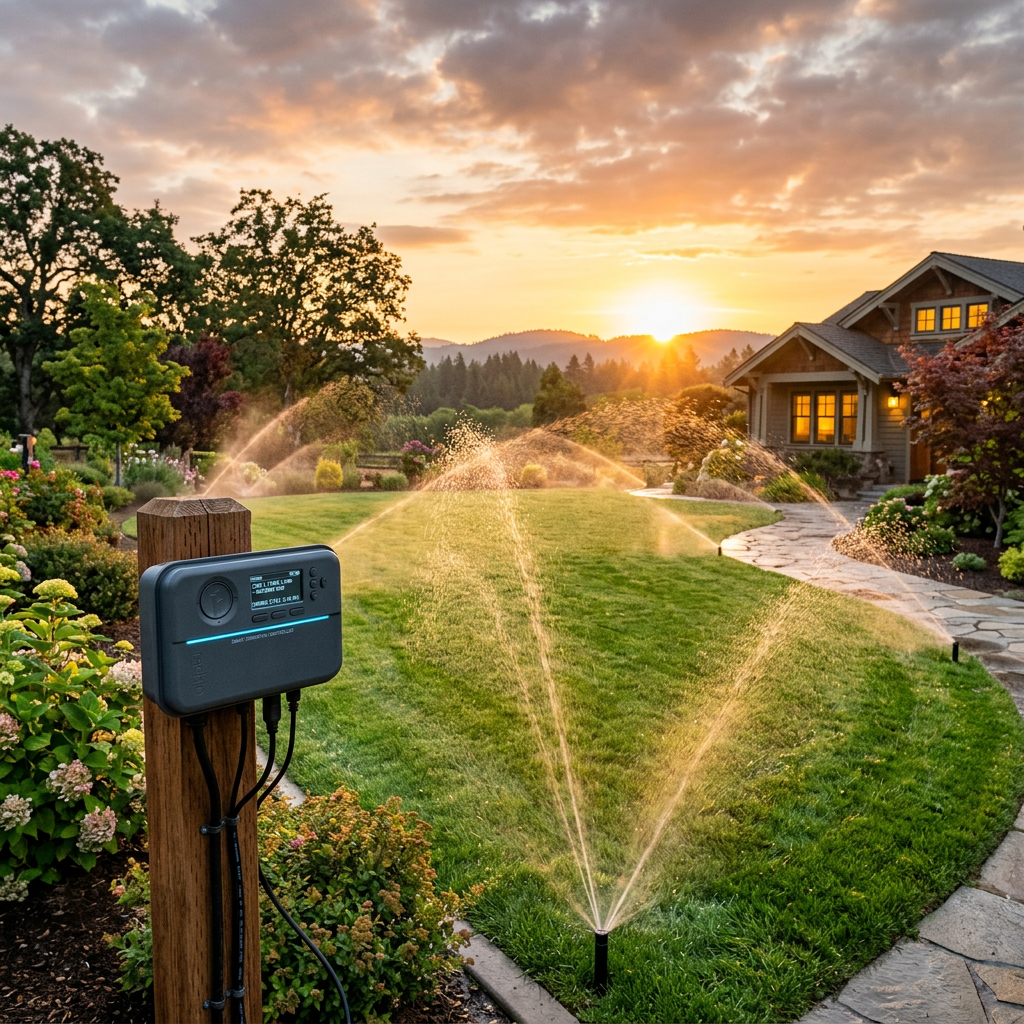
What you’re seeing here is likely part of a broader shift—not just in Nassau County, but across many regions facing water stress. Policies requiring smart irrigation controllers are becoming more common as local governments try to manage water usage more efficiently.
Many Long Island Water Districts are pushing compliance with a rule that requires automatic irrigation systems to use smart controllers. These devices adjust watering schedules based on weather conditions and soil moisture, helping reduce unnecessary water use—especially during peak seasons.
From a policy standpoint, this isn’t random. Long Island relies heavily on a single-source aquifer system, and concerns like overuse, saltwater intrusion, and long-term sustainability are driving stricter conservation measures. Instead of broad restrictions like watering bans, municipalities are moving toward technology-based enforcement—essentially making efficiency mandatory.
Xtreme Irrigation’s take – this is becoming the “new normal.”
Expect to see:
- More smart device requirements (not just irrigation)
- Increased compliance tracking (forms, inspections, reporting)
- Potential penalties or higher rates for non-compliance
That said, there’s a trade-off. While it feels like increased control, these systems can:
- Lower water bills over time
- Automate lawn care
- Reduce waste without constant manual adjustment
Bottom line:
This isn’t just a local rule—it’s part of a larger shift toward regulated, tech-driven resource management, especially in areas where water sustainability is becoming a real concern.