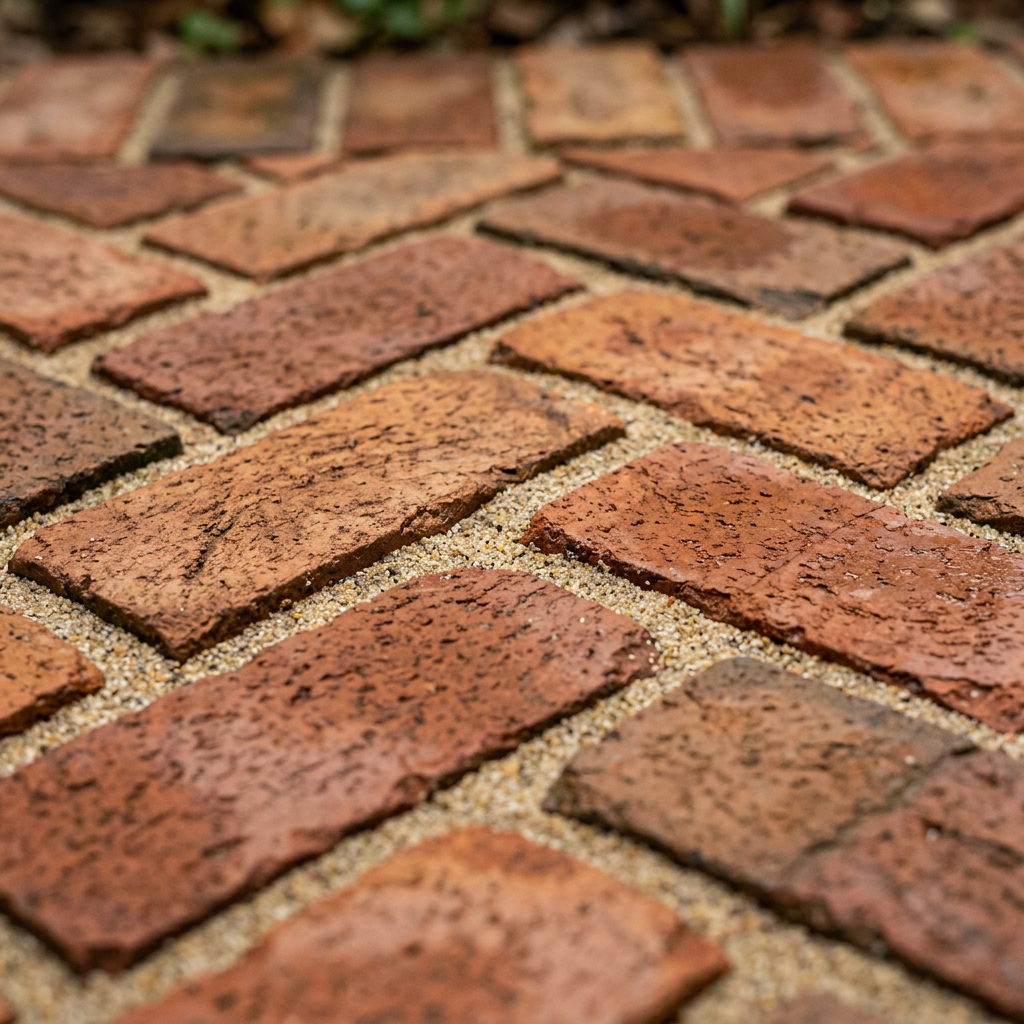
Are your pavers starting to look a little rough around the edges? Maybe you’ve got weeds popping up through the joints or sand washing out after every rain. If so, you might be missing one simple—but essential—step: using quality polymeric sand.
Installing pavers is already a major investment, so it’s understandable to want to cut costs where you can. But skipping polymeric sand can lead to bigger problems down the line. The good news? This small upgrade can save you money, time, and a lot of frustration.
Why Polymeric Sand Matters
Polymeric sand is designed to lock your pavers in place. Once properly activated with water, it hardens and creates a strong bond between each paver. This helps prevent:
- Shifting or uneven pavers
- Cracked or chipped edges
- Sinking areas that become tripping hazards
- Weed growth between joints
- Ants and insects nesting in the gaps
In short, it keeps your hardscape looking clean, stable, and professional.
What Is Polymeric Sand?
Polymeric sand is a blend of fine sand and specialized additives. When water is added, these additives activate and form a binding agent that holds the sand firmly in place. Unlike regular joint sand, polymeric sand resists erosion and washout—even during heavy rain—making it a much more durable solution.
What to Look for in a Quality Polymeric Sand
Not all polymeric sand products are created equal. When choosing the right one, keep an eye out for these features:
Low-haze or zero-dust formula
Some lower-quality products create a lot of dust during installation, which can be unpleasant and even harmful to inhale. A cleaner formula makes the job safer and easier.
Polymer-based (not cement-based)
Cement-based sands may seem stronger at first, but they’re more likely to crack over time. Polymer-based options remain flexible and hold up better long-term.
No compaction required
Some products require heavy compactors, which add cost and complexity. A good polymeric sand should be easy to install without specialized equipment.
Color options
Function matters—but so does appearance. Choose a sand color that complements your pavers for a clean, finished look.
The Bottom Line
If your pavers are shifting, cracking, or growing weeds, the problem may not be the pavers themselves—it’s what’s between them. Investing in a high-quality polymeric sand is a simple step that protects your entire project and keeps your outdoor space looking its best for years to come.