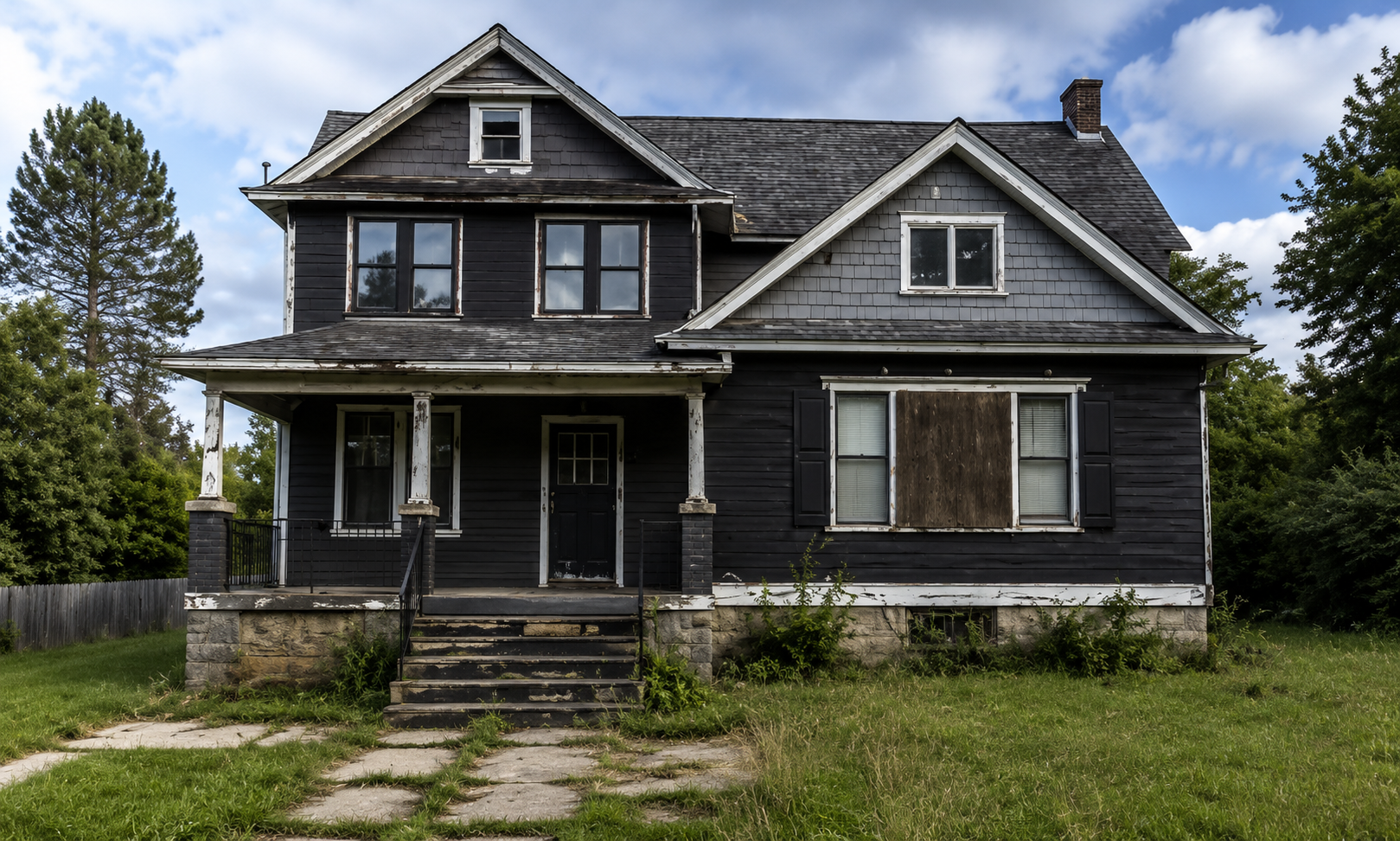
There’s an apparent contradiction in today’s housing market: millions of homes are vacant, yet many buyers still struggle to find homes they can actually purchase.
According to a new LendingTree analysis of U.S. Census Bureau data:
- 🏠 About 14.5 million homes in the U.S. are vacant.
- 📊 That’s 10.1% of the nation’s housing stock.
- 🏡 Yet fewer than 800,000 of those vacant homes are actually listed for sale.
Why are so many homes vacant?
The key is that “vacant” doesn’t necessarily mean “available.”
Among vacant homes:
- 🌴 32.6% are seasonal or vacation homes.
- 🏘️ 18.2% are available for rent.
- 🏷️ 5.5% are listed for sale.
- Others have been sold or rented but are awaiting occupancy, are reserved for workers, or are temporarily off the market.
States with the highest vacancy rates
The highest vacancy rates are concentrated in states with large numbers of vacation and seasonal homes:
- Maine: 20.6%
- Vermont: 19.4%
- Alaska: 17.6%
The lowest vacancy rates include:
- Connecticut: 7.0%
- Washington: 7.3%
- California, New Jersey, and Oregon: 7.5%
Florida is a good example
Florida has one of the nation’s highest vacancy rates—14.7%—and roughly 1.5 million vacant homes. But many of those properties are second homes, vacation residences, or seasonal rentals rather than homes available for permanent buyers.
What it means for buyers
This helps explain why housing still feels scarce despite the large number of empty homes:
- Many vacant homes aren’t intended for year-round occupancy.
- Homeowners with low mortgage rates remain reluctant to sell.
- Affordability remains a major barrier because of elevated home prices and mortgage rates.
In other words, high vacancy doesn’t automatically translate into more inventory for buyers. The type of vacancy matters just as much as the number of vacant homes.