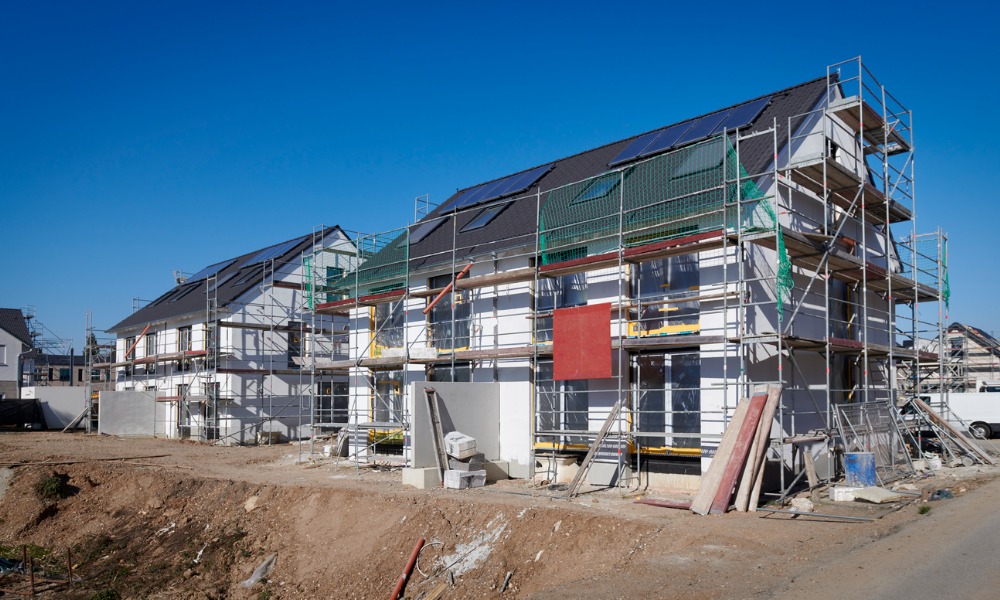
There’s a significant change that could reshape the manufactured housing industry and make factory-built homes more competitive with traditional housing.
What’s changing?
The U.S. Department of Housing and Urban Development (HUD) has proposed changing the definition of a manufactured home by relaxing the long-standing requirement that every section of a manufactured home be built on a permanent steel chassis.
The current chassis requirement dates back to the 1970s, when mobile homes were expected to be moved more frequently. Today, most manufactured homes are placed permanently and rarely relocated.
Why does this matter?
Removing or reinterpreting the chassis rule could:
🏠 Allow true multi-story manufactured homes
🏠 Lower construction costs
🏠 Reduce material usage and waste
🏠 Make manufactured homes look more like traditional site-built homes
🏠 Expand design flexibility for builders and developers
HUD officials say the change is intended to lower housing costs and increase affordable housing supply.
The bigger housing impact
Housing advocates have argued for years that the chassis requirement artificially increases costs and contributes to the stigma associated with “mobile homes.”
Some studies estimate removing the chassis requirement could reduce the cost of a manufactured home by roughly $5,000–$10,000, depending on the design.
The change could also help factory-built housing compete more directly with traditional stick-built construction during a time when the U.S. still faces a significant housing shortage.
What this means for investors and developers
For someone interested in development opportunities, this could be a major trend to watch.
If the rule change becomes permanent:
- More attractive manufactured-home communities could emerge.
- Builders may be able to create duplex-style and multi-story products.
- Smaller infill lots may become more viable.
- Affordable housing projects could become easier to pencil out financially.
Bottom line
HUD is essentially trying to modernize a 50-year-old rule that treats today’s manufactured homes like yesterday’s mobile homes. If adopted, the proposal could lower costs, expand design options, and help factory-built housing play a larger role in addressing America’s housing shortage.
For markets like South Carolina, significant change that could reshape the manufactured housing industry and make factory-built homes more competitive with traditional housing.
What’s changing?
The U.S. Department of Housing and Urban Development (HUD) has proposed changing the definition of a manufactured home by relaxing the long-standing requirement that every section of a manufactured home be built on a permanent steel chassis.
The current chassis requirement dates back to the 1970s, when mobile homes were expected to be moved more frequently. Today, most manufactured homes are placed permanently and rarely relocated.
Why does this matter?
Removing or reinterpreting the chassis rule could:
🏠 Allow true multi-story manufactured homes
🏠 Lower construction costs
🏠 Reduce material usage and waste
🏠 Make manufactured homes look more like traditional site-built homes
🏠 Expand design flexibility for builders and developers
HUD officials say the change is intended to lower housing costs and increase affordable housing supply.
The bigger housing impact
Housing advocates have argued for years that the chassis requirement artificially increases costs and contributes to the stigma associated with “mobile homes.”
Some studies estimate removing the chassis requirement could reduce the cost of a manufactured home by roughly $5,000–$10,000, depending on the design.
The change could also help factory-built housing compete more directly with traditional stick-built construction during a time when the U.S. still faces a significant housing shortage.
What this means for investors and developers
For someone interested in development opportunities, this could be a major trend to watch.
If the rule change becomes permanent:
- More attractive manufactured-home communities could emerge.
- Builders may be able to create duplex-style and multi-story products.
- Smaller infill lots may become more viable.
- Affordable housing projects could become easier to pencil out financially.
Bottom line
HUD is essentially trying to modernize a 50-year-old rule that treats today’s manufactured homes like yesterday’s mobile homes. If adopted, the proposal could lower costs, expand design options, and help factory-built housing play a larger role in addressing America’s housing shortage.
For markets like South Carolina, North Carolina, Florida, Georgia, Tennessee and Virginia where land costs remain relatively affordable, this could create new opportunities for workforce housing, retirement communities, and small-scale residential development.